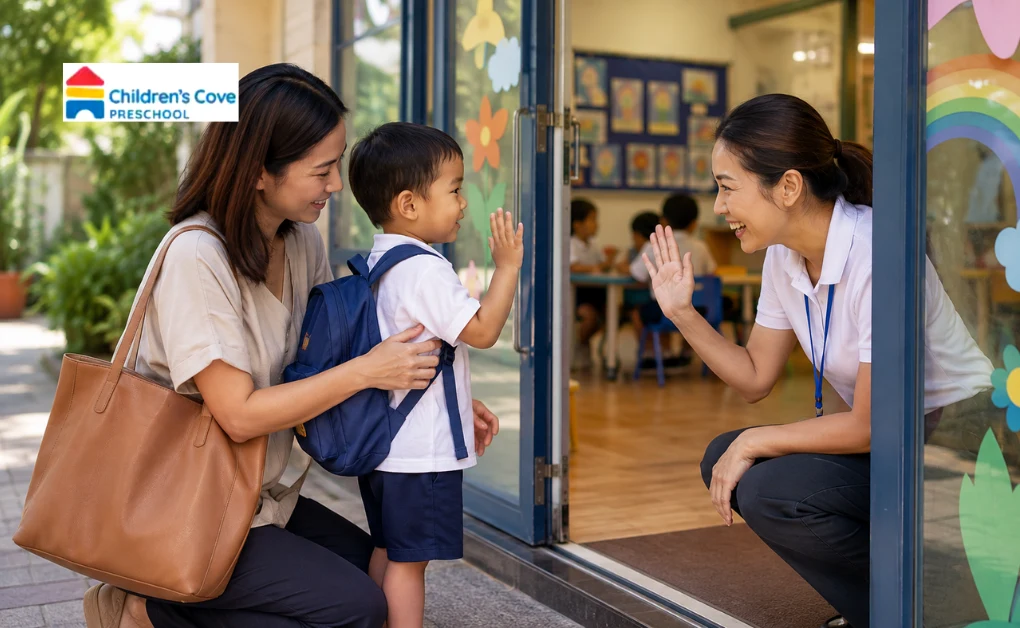
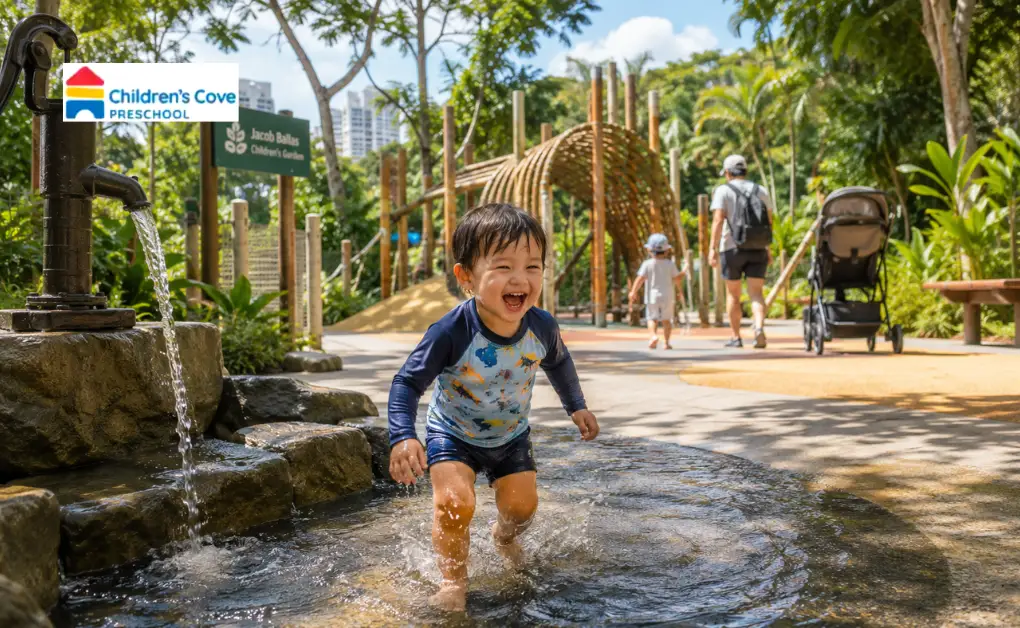
Starting preschool can feel overwhelming for both children and parents. Suddenly, your little one faces new faces, unfamiliar routines, and a whirlwind of sights and sounds. It’s normal to worry: Will they settle in? Will they learn the skills they need? Will they feel confident and happy?
This is where a well-designed preschool curriculum makes all the difference. For parents exploring options, learning about preschool education in Singapore can provide helpful insights into choosing the right programme. It’s not about memorising facts or sitting through rigid lessons. Instead, it’s a carefully planned roadmap that turns uncertainty into exploration, guiding each day with activities that help children play, learn, and grow in a way that feels safe, joyful, and truly meaningful.
What a Preschool Curriculum Really Is?
A curriculum for preschool education is more than just a daily plan of activities; it’s a thoughtfully designed framework that guides how young children learn, explore, and develop. It balances play, social interaction, creativity, and early learning skills, giving children structure while letting their curiosity and imagination lead the way.
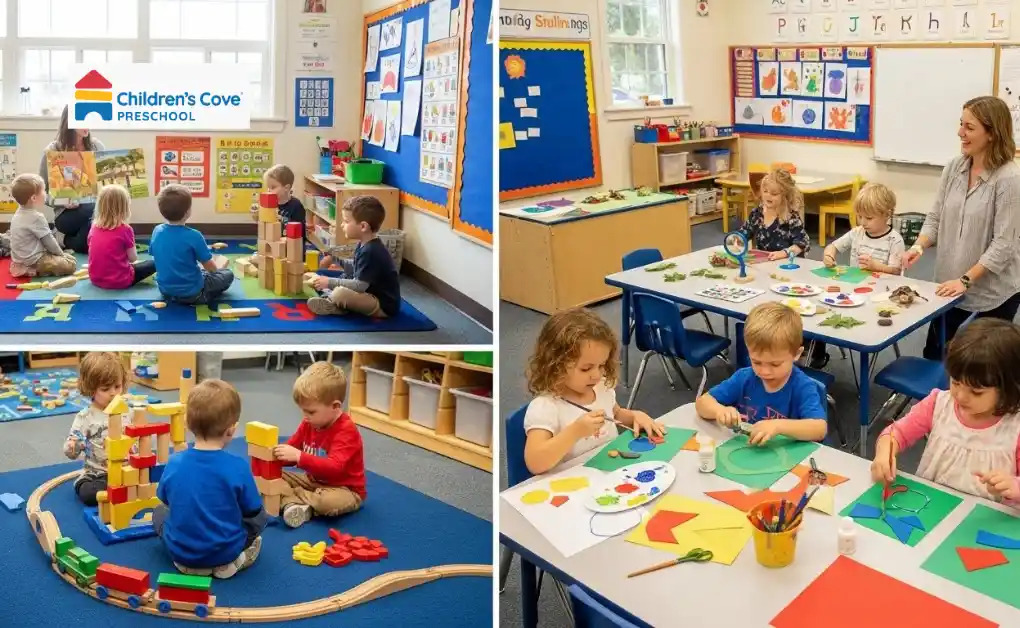
At its heart, a good curriculum helps children feel confident, secure, and proud of what they can do. It introduces new concepts gently, encourages problem-solving, and supports emotional and social growth. By providing a mix of fun, exploration, and structured learning, it lays the foundation for long-term success, helping children develop a lifelong love of learning.
What the Curriculum Covers
A well-planned preschool education programme covers all key areas of early development:
- Language and Communication – From reading stories and singing songs to role-play and conversations, children learn to express themselves, listen attentively, and enjoy the power of words.
- Early Maths Concepts – Counting blocks, spotting patterns, recognising shapes, and simple problem-solving activities introduce children to numbers and logical thinking in a playful, everyday context.
- Social and Emotional Growth – Preschool learning helps children understand their feelings, develop empathy, take turns, share, and form friendships. Guided play and group activities nurture confidence and resilience.
- Motor Skills – Everyday activities like cutting, drawing, threading beads, climbing, or running strengthen coordination, strength, and confidence.
- Creative Expression – Art, music, dance, and imaginative play give children space to explore ideas and express themselves freely, fostering originality and joy.
- Early Science and Exploration – Hands-on experiments, nature walks, sensory activities, and questions like “Why does this happen?” introduce young learners to STEM education for preschoolers, encouraging curiosity and discovery.
- Daily Routines and Practical Skills – Preschool also teaches practical life skills like washing hands, tidying up, putting on shoes, and caring for personal belongings, helping children develop independence.
Different Approaches to Preschool Curriculum
Preschools may follow different teaching approaches or combine several to meet the needs and interests of young children. While each style has its own focus, they all aim to nurture growth, curiosity, and independence:
- Play-based learning – Children learn through exploration and imaginative play, discovering concepts at their own pace in a fun, engaging way.
- Montessori-inspired methods – Focus on hands-on, self-directed activities that encourage independence, focus, and problem-solving skills.
- Reggio Emilia approach – Centres on creativity and child-led projects, allowing children’s interests to guide learning experiences.
- Theme- or project-based learning – Focuses on a single topic for a period, encouraging deeper understanding and curiosity through related activities.
- Blended approaches – Combines elements from multiple methods, giving teachers flexibility to meet each child’s unique learning style.
No matter the approach, the goal is the same: to provide a rich, supportive environment where children can explore, learn, and enjoy preschool education, including those enrolled in a preschool in Singapore.
How the Preschool Curriculum Shapes a Day
A preschool curriculum guides daily activities that help children learn, explore, and develop key skills. While each day may vary, the curriculum ensures a balanced mix of experiences:
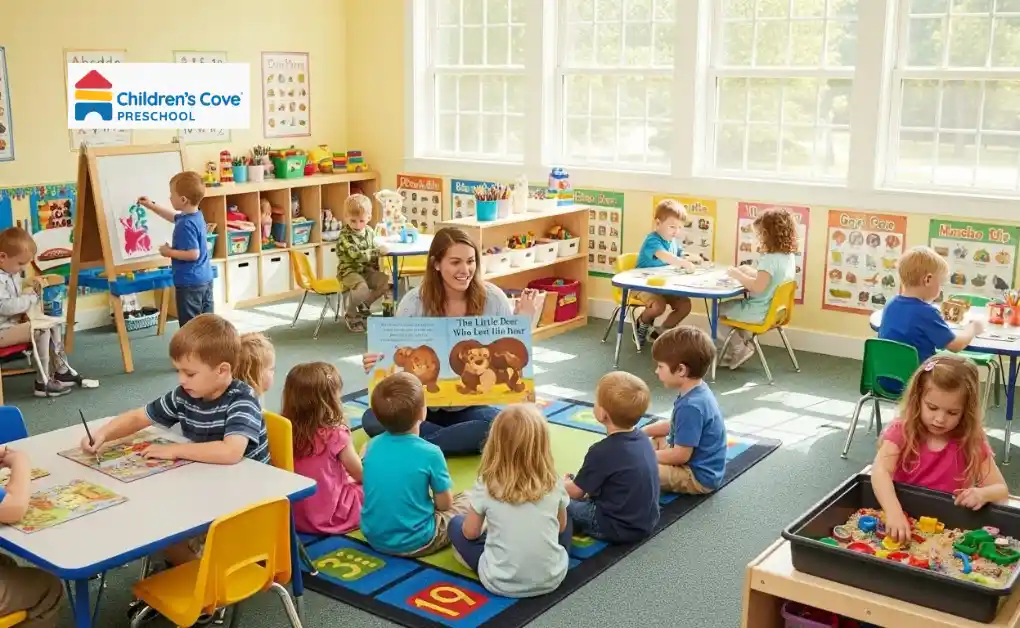
- Morning welcome or circle time – Building communication, introducing ideas, and setting a positive tone.
- Stories, songs, and rhymes – Encouraging language skills, imagination, and early literacy.
- Creative and imaginative play – Developing problem-solving, creativity, and hands-on learning.
- Outdoor exploration and physical activity – Supporting motor skills, curiosity, and healthy movement.
- Small-group or themed activities – Focused learning experiences aligned with curriculum goals.
- Snack and routine time – Practising independence and self-care skills.
- Quiet or reflective moments – Supporting emotional development and self-awareness.
Each part of the day reflects the goals of the curriculum for preschool education, giving children a structured yet flexible environment to grow, discover, and enjoy learning.
The Role of Teachers in the Preschool Curriculum
Teachers are the heart of any preschool. They observe each child, noticing what excites them, what challenges them, and how they learn best. By adjusting activities and guiding experiences, teachers make learning personal, meaningful, and engaging.
For example, a child interested in bugs might explore a themed project with books, crafts, and outdoor observation, while another child might get extra hands-on practice to develop motor skills. This careful attention ensures the curriculum is not just a plan but a dynamic, flexible learning journey for every child, whether at a local or preschool in Singapore.
What Parents Should Look for in a Preschool Curriculum
A strong preschool curriculum goes beyond lessons on paper, it actively shapes children’s learning and development. Parents can look for:
- A balanced mix of learning and play – Activities that encourage exploration, creativity, and skill-building.
- Caring, qualified teachers – Educators who are attentive, supportive, and skilled at guiding each child’s learning journey.
- Safe and stimulating learning environments – Spaces that are flexible, engaging, and child-friendly.
- Age-appropriate, child-centred activities – Lessons tailored to the developmental needs and interests of each child.
- Regular communication with parents – Updates on progress, interests, and achievements.
These indicators show that the curriculum is actively supporting growth, confidence, and curiosity in every child, whether at home or at a preschool in Singapore.
Conclusion
A preschool curriculum is more than a schedule, it’s a thoughtful framework that shapes how children learn, explore, and develop. From language and maths to creativity, social skills, and early STEM learning, the curriculum provides a balanced mix of play, structured activities, and hands-on experiences.
Teachers play a vital role in bringing the curriculum to life, adapting activities to each child’s interests and needs. Parents can look for signs of a strong curriculum, such as attentive teachers, age-appropriate activities, and clear communication, to ensure their child is supported in every aspect of development.
Ultimately, a well-planned preschool education programme, including a preschool in Singapore, lays the foundation for lifelong learning, helping children develop confidence, curiosity, and a love of discovery that will carry them through school and beyond.
FAQs
1. What age group is the preschool curriculum designed for?
The preschool curriculum is typically designed for children aged 2 to 6 years, covering the early years before formal primary education.
2. Does the curriculum support children with disabilities?
Yes, a well-planned curriculum includes adaptations and support to ensure children with disabilities can participate fully and develop at their own pace.
3. Does the curriculum support multilingual learners?
Absolutely. Many preschools integrate language-rich activities that help multilingual learners develop communication skills and confidence.
4. How does the curriculum prepare children for primary school?
The curriculum builds foundational skills in language, maths, social-emotional development, creativity, and problem-solving, ensuring children are confident, curious, and ready for primary school.
5. Can preschool in Singapore provide a strong curriculum for early learning?
Yes, many preschools in Singapore follow internationally recognised curricula that combine play, exploration, and structured learning, preparing children for future academic and social success.