Craft activities for preschoolers are one of the best ways to combine learning and play. Young children naturally enjoy exploring colours, textures, shapes, and materials through hands-on experiences. Through simple craft projects and preschool learning activities, preschoolers develop important early skills while expressing creativity in fun and meaningful ways.
Today, many parents and preschools focus on active learning because it encourages children to explore, imagine, and learn independently. Simple craft activities can help improve creativity, communication, confidence, and fine motor development during the early years.
Whether at home or in the classroom, these fun and easy craft ideas are simple to set up and designed to make learning enjoyable for young learners.
Why Craft Activities Are Important for Preschoolers
The preschool years are an important stage of growth and development. During this time, kids are learning how to communicate, solve problems, and understand the world around them. Craft activities support these skills through active, practical experiences.
When children cut paper, paint pictures, or build something using simple materials, they are doing much more than playing. They are learning how to focus, make decisions, follow steps, and express their ideas with confidence.
Craft activities also encourage open-ended preschool art activities, allowing preschoolers to experiment freely without the pressure of a single correct answer, which helps build independence, imagination, and a positive attitude toward learning.
Fun and Easy Craft Activities for Preschoolers
Craft activities give preschoolers a fun way to learn, explore, and express their creativity through creative play. From painting to recycled art projects, these simple activities help children build important skills while enjoying the learning process.
1. Paper Tearing and Pasting Activity
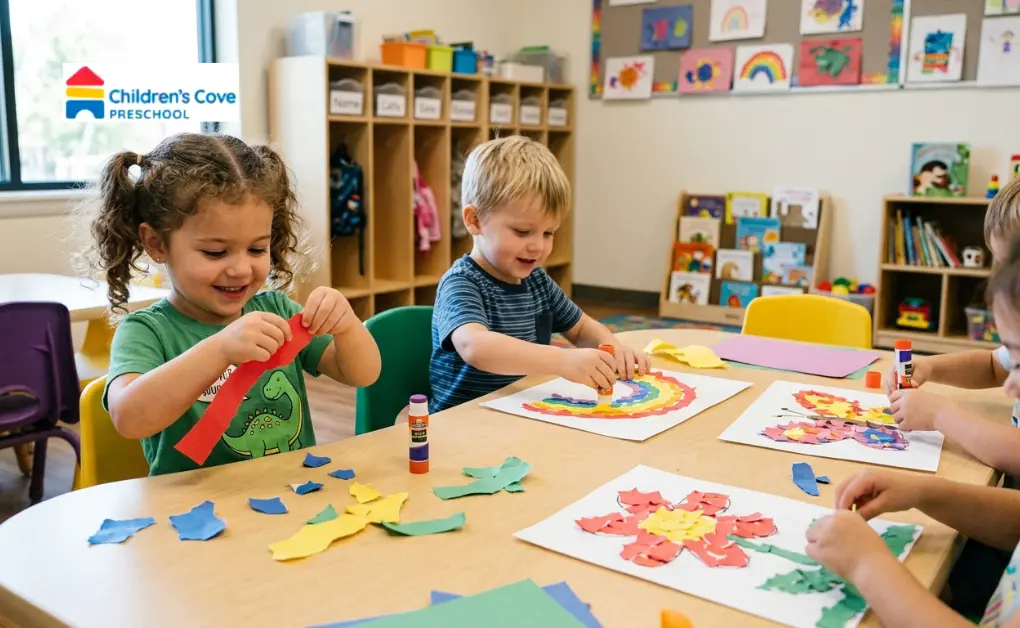
Paper tearing is one of the easiest craft activities and works especially well for younger kids.
Provide coloured paper and ask children to tear it into small pieces before glueing them onto drawings or shapes. They can create:
- Rainbows
- Flowers
- Fruits
- Animals
Benefits
Tearing and pasting paper helps kids develop stronger hand coordination while exploring colours, textures, and creative design.
2. Finger Painting Activity
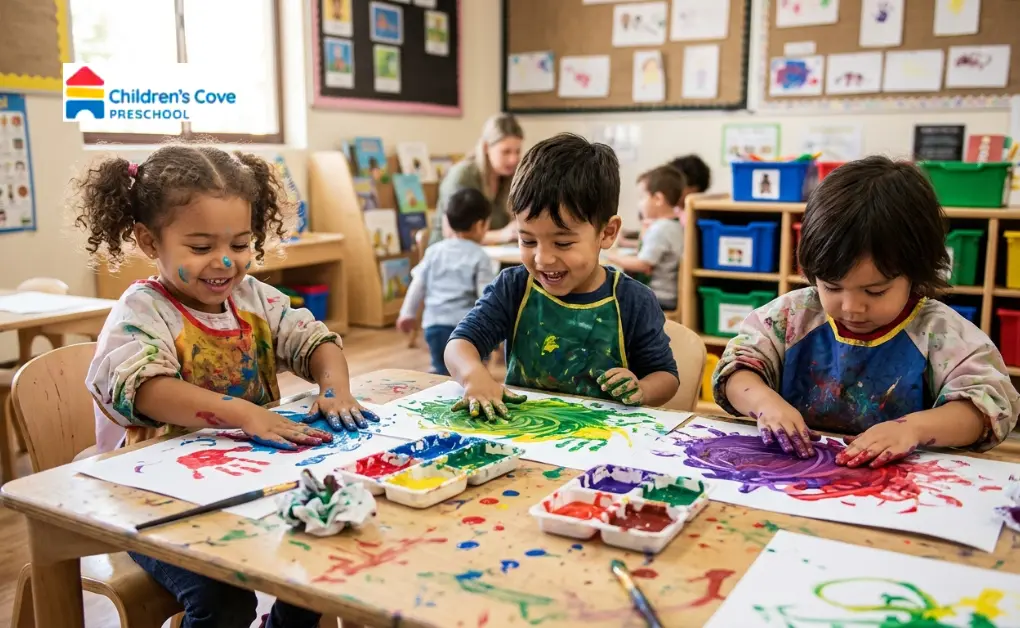
Finger painting is a favourite preschool activity because it combines creativity with sensory play. Children can use washable paints to create patterns, handprints, or free-form artwork.
Benefits
- Encourages sensory development
- Improves hand-eye coordination
- Helps with colour recognition
- Supports emotional expression
Many early childhood educators recommend sensory-based activities because they support brain development while making learning enjoyable.
3. Paper Plate Animal Crafts
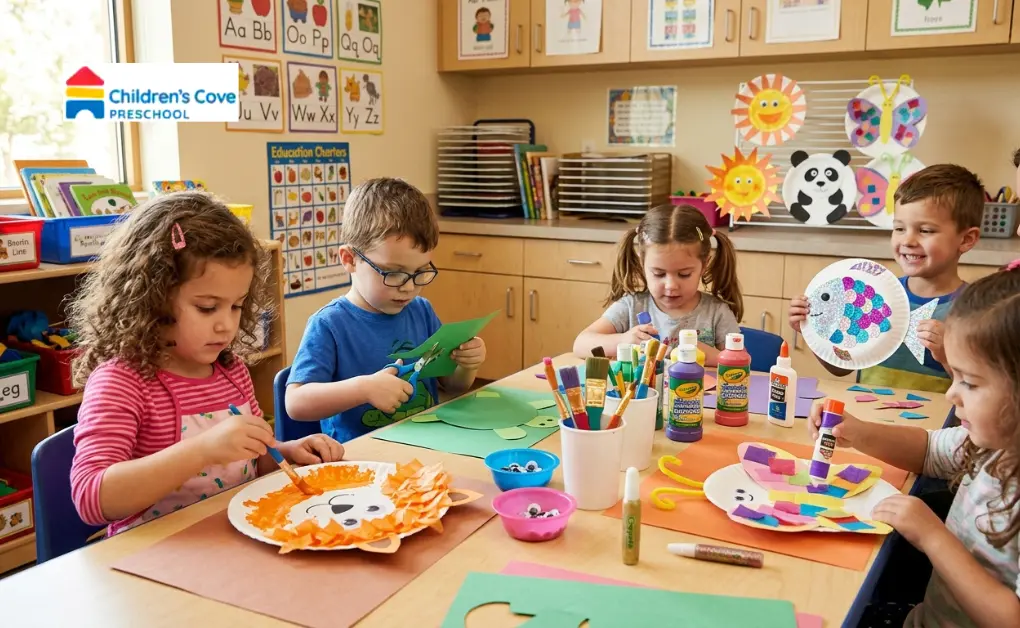
Paper plates are inexpensive, versatile, and perfect for preschool art projects. With paint, paper, and glue, children can turn simple plates into creative characters such as:
- Lions
- Butterflies
- Fish
- Smiling suns
Benefits
Paper plate crafts help children practise cutting, colouring, and assembling different pieces while encouraging imaginative thinking.
4. Nature Collage Craft
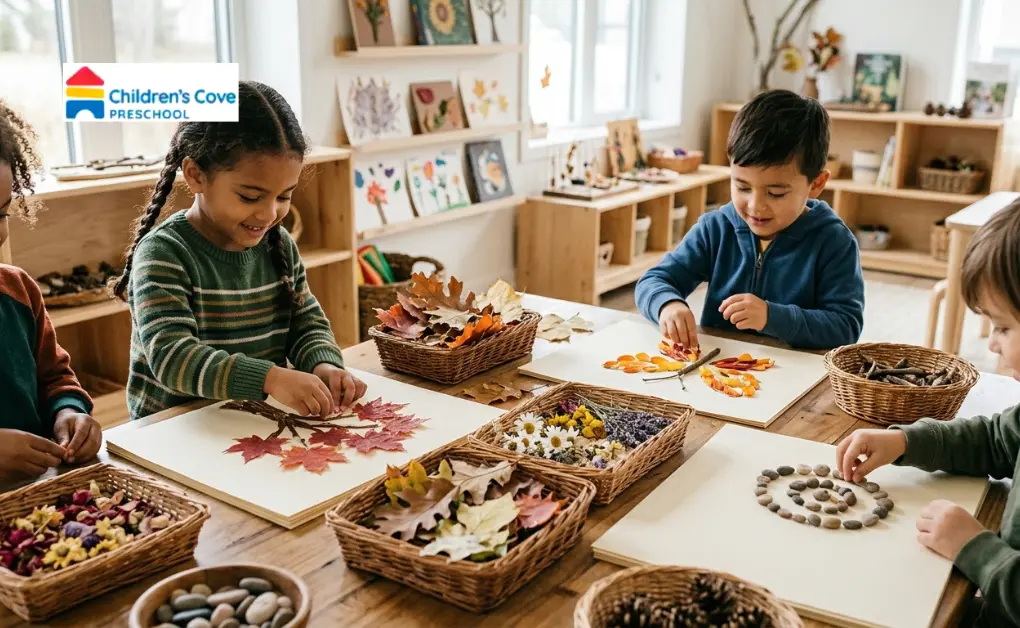
Take preschoolers outdoors to collect natural materials such as:
- Leaves
- Flowers
- Twigs
- Small stones
After collecting the items, children can glue them onto paper to create colourful nature collages. Nature walks and outdoor collecting activities can also be combined with other fun weekend activities for kids in Singapore to keep learning active beyond the classroom.
Benefits
Nature crafts encourage observation skills, creativity, and curiosity about the environment. Outdoor collecting activities also help children feel more connected to nature through exploration and play.
5. Recycled Crafts for Preschoolers
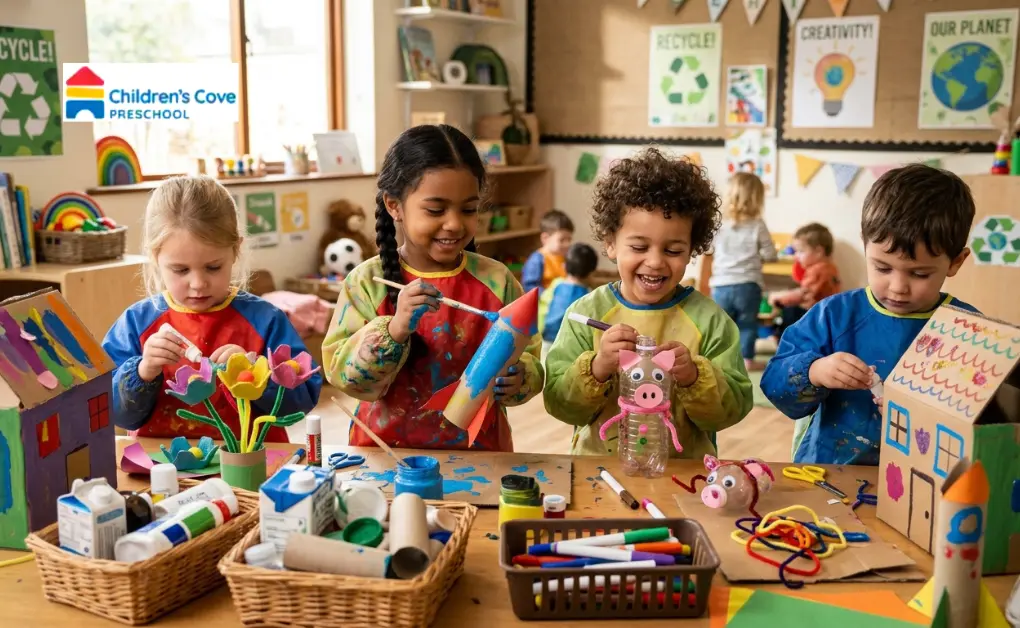
Recycled crafts teach children that everyday objects can be reused creatively instead of thrown away.
Simple ideas include:
- Cardboard houses
- Bottle animals
- Egg carton flowers
- Toilet roll rockets
Benefits
These activities encourage imagination, problem-solving, and environmental awareness while teaching children how to reuse materials in fun ways.
6. Sponge Painting Activity
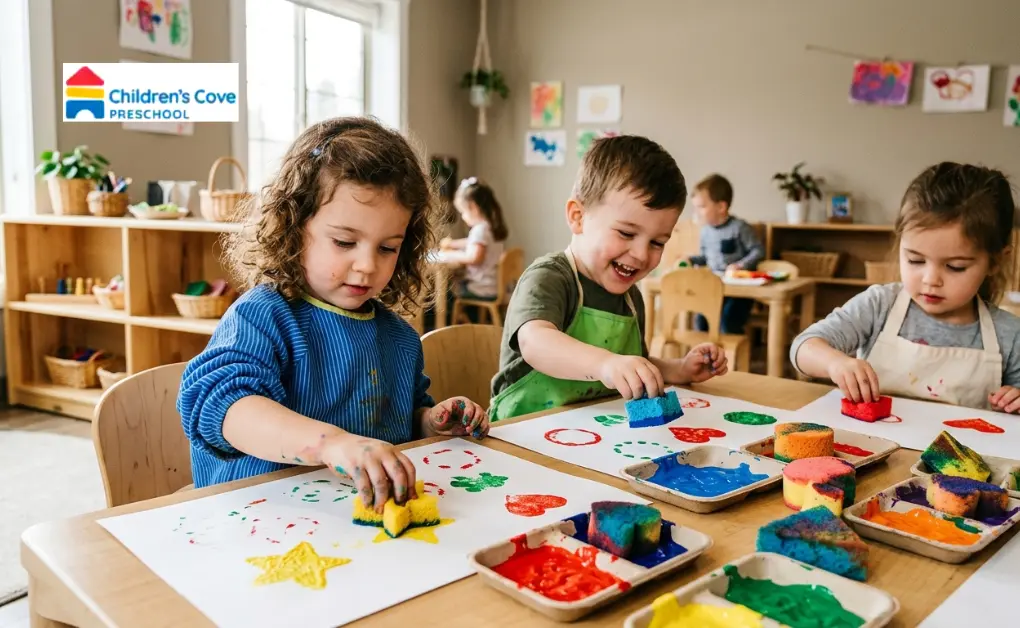
Cut sponges into different shapes and allow children to dip them into paint for stamping activities.
Popular shapes include:
- Stars
- Hearts
- Circles
- Squares
Benefits
Sponge painting improves grip control, shape recognition, and coordination. It also makes painting more interactive and exciting for preschoolers.
7. Playdough Craft Activities
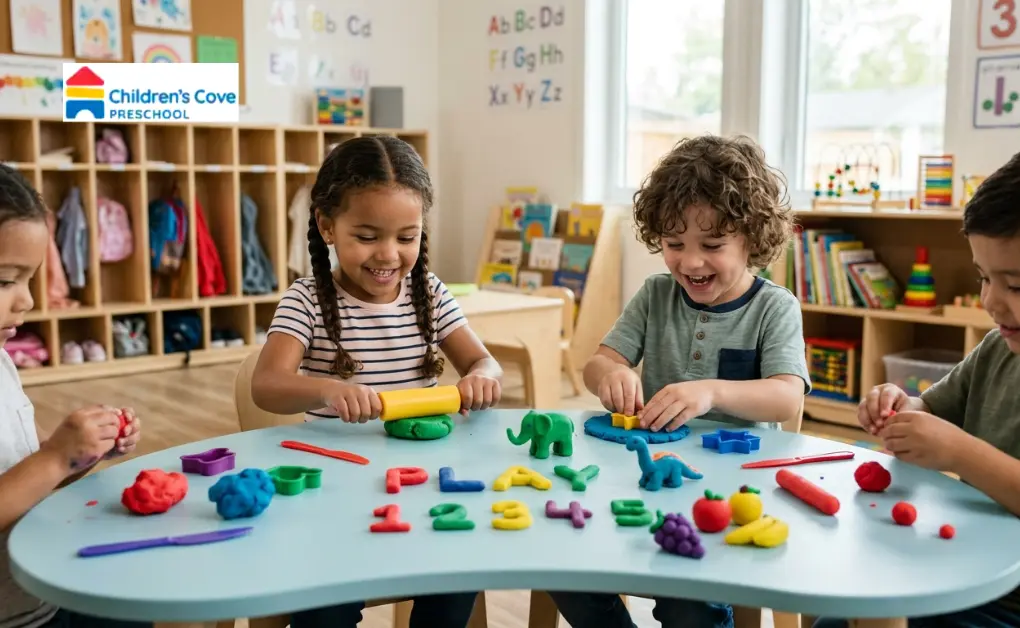
Playdough is excellent for both creativity and fine motor skill development. Children can roll, stretch, press, and shape the dough, which helps strengthen hand muscles and improve finger coordination over time.
Children can create:
- Letters
- Numbers
- Fruits
- Animals
Benefits
Playdough strengthens hand muscles that are important for future writing skills. It also supports early literacy and number recognition through playful learning.
Parents in the north of Singapore will be glad to know that Children’s Cove Preschool Sembawang offers hands-on learning activities like playdough crafts as part of its daily programme, helping children build essential skills in a fun and nurturing environment.
8. Sticker Art Activity
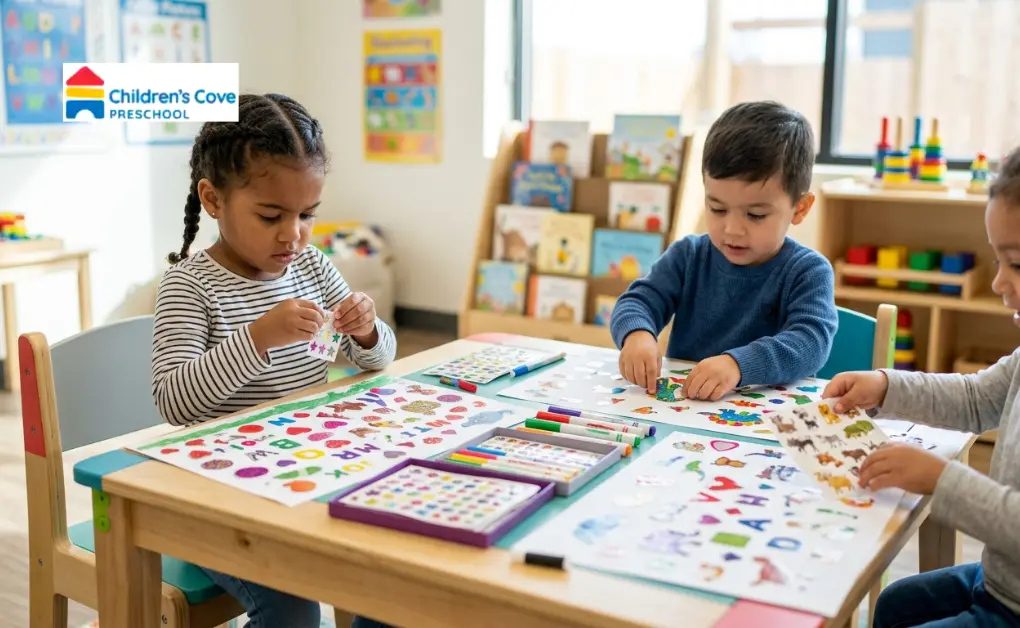
Sticker activities are simple, mess-free, and highly engaging for preschoolers. Give children colourful stickers and large sheets of paper to create scenes, pictures, or patterns.
Benefits
- Improves finger coordination
- Encourages independent creativity
- Builds concentration and focus
Sticker crafts are especially suitable for younger preschoolers because they are easy to manage independently.
9. Handprint Art Projects
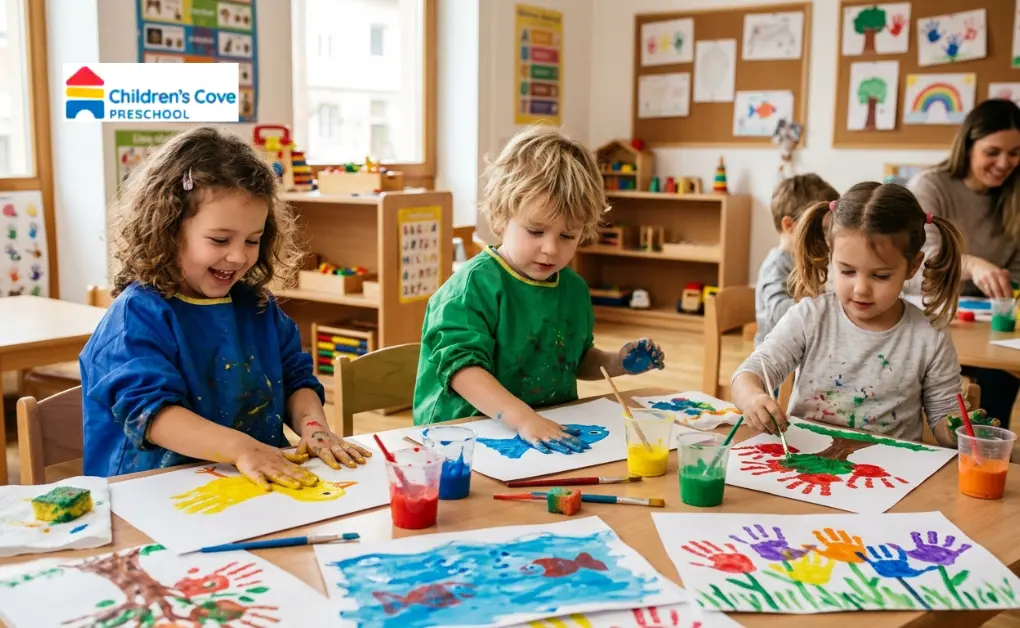
Handprint crafts are creative, personal, and memorable for young children. Preschoolers can turn their handprints into:
- Birds
- Trees
- Fish
- Flowers
Benefits
Handprint activities encourage self-expression and creativity while helping children explore shapes, colours, and textures. Parents also enjoy keeping these crafts as special memories.
10. Cotton Ball Craft Activity
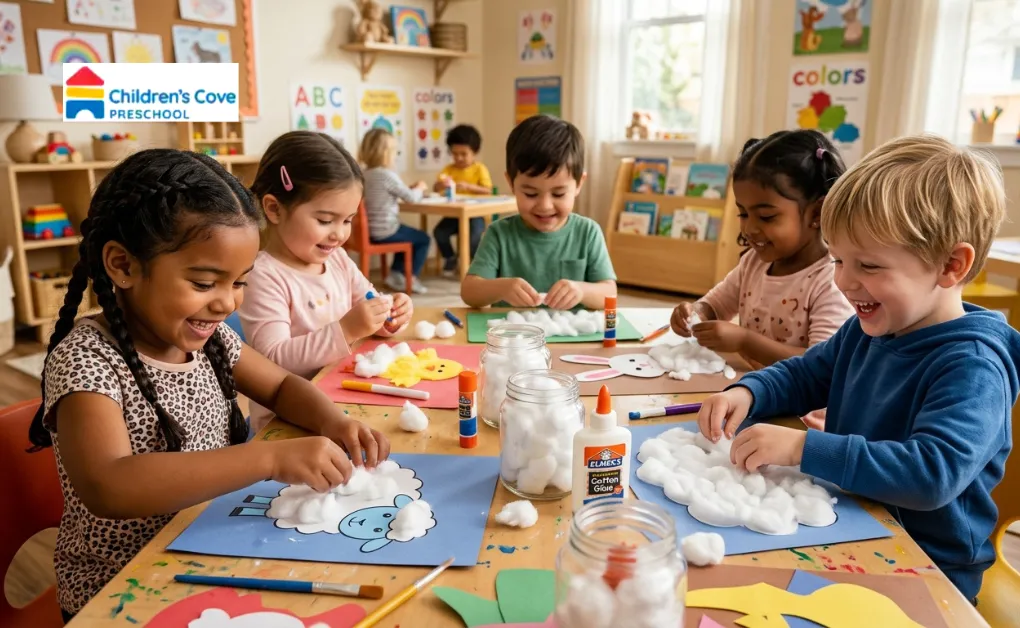
Cotton balls can be used to create soft and textured art projects, such as:
- Clouds
- little chicks
- Sheep
- Rabbits
Benefits
This activity supports sensory exploration and introduces children to different textures through direct exploration. It is particularly suitable for younger preschoolers because the materials are lightweight and easy to handle.
Families in the east looking for a nurturing preschool environment can visit Children’s Cove Preschool Pasir Ris, where sensory and creative craft activities like these are part of every child’s daily learning journey.
Key Benefits of Craft Activities for Preschoolers
Craft activities support multiple areas of early childhood development and are woven into the daily learning experience at a trusted preschool in Singapore, where every child is encouraged to explore, create, and grow.
- Improves Fine Motor Skills: Activities like colouring, cutting, tearing paper, and glueing help strengthen small hand muscles that children later use for writing and other everyday tasks.
- Boosts Creativity and Imagination: Children learn to transform simple materials into imaginative creations, encouraging original thinking and independent expression.
- Builds Concentration and Patience: Completing craft projects helps preschoolers stay focused on one task at a time, gradually improving their attention span and patience.
- Encourages Emotional Expression: Through colours, patterns, and designs, children can express thoughts and feelings that they may not yet be able to communicate with words.
- Supports Early Learning Skills: Craft activities naturally introduce children to shapes, colours, counting, patterns, and problem-solving activities in an enjoyable and stress-free way.
Best Materials for Preschool Craft Activities
Preschool craft activities do not require expensive supplies. Simple everyday materials are often the best choice because they are safe, accessible, and easy for children to use.
Common Craft Materials
- Coloured paper
- Crayons and markers
- Glue sticks
- Washable paint
- Cotton balls
- Popsicle sticks
- Cardboard pieces
- Stickers
- Recycled containers and boxes
Using simple materials encourages children to use their imagination instead of relying on complicated tools or ready-made kits.
Tips for Parents and Teachers
Creating a positive craft experience helps children learn better, stay engaged, and enjoy every moment of creative play. When the environment feels relaxed and encouraging, preschoolers naturally express themselves with confidence.
- Focus on fun, not perfection, to make learning enjoyable for young learners.
- Let children choose their own colours, materials, and ideas to build confidence and independence.
- Keep instructions short and simple so preschoolers can easily understand and follow.
- Encourage creativity by allowing every child to create in their own unique way without correcting small mistakes.
A calm and supportive approach makes craft time more meaningful. It helps children build creativity, confidence, and a strong love for learning through hands-on activities.
Conclusion
Craft activities for preschoolers are a simple yet powerful way to support early childhood development. Through painting, cutting, building, and creating, children strengthen important skills while having fun.
The best part is that meaningful learning does not require expensive materials or complicated planning. With a little creativity and a few basic supplies, parents and teachers can create enjoyable experiences that encourage imagination, confidence, and lifelong learning.
At Children’s Cove, creative learning is part of everyday classroom experiences. From creative activities to interactive learning programmes, kids are encouraged to explore, create, and grow with confidence.
FAQs
1. What skills do children learn from craft activities?
Craft activities help children develop creativity, fine motor skills, problem-solving abilities, hand-eye coordination, patience, and communication skills through active learning experiences.
2. Are craft activities safe for preschoolers?
Yes, craft activities are safe when supervised by adults and when child-friendly materials such as non-toxic glue, washable paints, and safety scissors are used.
3. What are sensory craft activities for preschoolers?
Sensory craft activities involve touch, texture, movement, and exploration. Examples include playdough, finger painting, sponge painting, and cotton ball crafts.
4. How do craft activities improve creativity in children?
Craft activities allow kids to experiment freely with colours, shapes, and materials while encouraging independent thinking and imaginative expression.
5. What is the role of parents in preschool craft activities?
Parents support children by providing guidance, encouragement, and a positive environment while allowing them enough freedom to explore and create independently.