Since your child started preschool, has it felt like they’re always coming down with something? You’re not alone. Between HFMD going around, the classroom sniffles, and that daily jump from hot, sticky air outside to freezing air-con inside, it’s a lot for a little body to handle.
If you’re wondering how to boost the immune system in kids, naturally and without anything fancy or expensive, you’re in the right place. As a preschool in Singapore, we see this up close every day, and we’ve put together what actually helps, from food to sleep to simple daily habits. Let’s break down what works.
7 Simple Ways to Boost Your Child’s Immune System
You don’t need a long checklist to help your child’s body fight off germs better. Most of it comes down to a handful of daily habits, done consistently. Here’s where to start.
1. Feed Them Real, Colourful Food
Fruits, vegetables, and protein-rich foods give the body what it needs to make and repair immune cells. Think less about “superfoods” and more about variety on the plate. A mix of colours usually means a mix of nutrients.
2. Protect Their Sleep
Sleep plays a big role in helping the body recover and stay strong. Preschoolers aged 3 to 5 years old need 10 to 13 hours of sleep a day, yet Singapore preschoolers average only about 8 hours 30 minutes a night, less than what’s recommended for their age. That gap adds up over time. A consistent bedtime matters more than most parents realise.
3. Get Them Moving Every Day
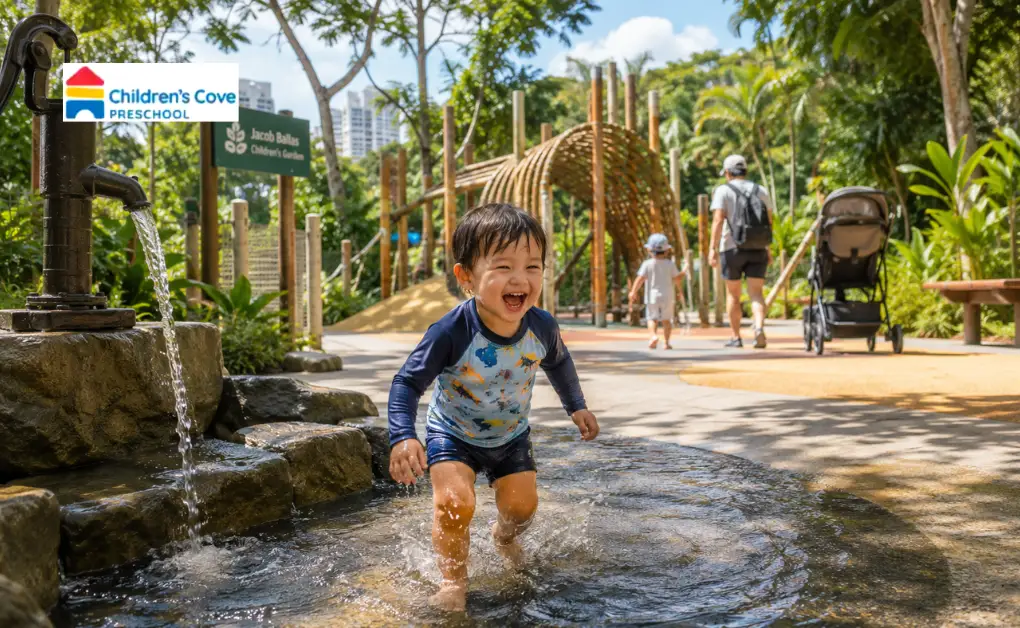
Kids need at least three hours of active play a day, and at least 60 minutes of that should be energetic, huffing-and-puffing gross motor skills activities like running, cycling, or a game of tag. The rest doesn’t have to be structured. Running around the playground, cycling at the park, or chasing bubbles at home all count. Regular movement helps the whole body work better, immune system included.
4. Make Handwashing a Habit, Not a Lecture
Teach your child to wash their hands before meals, after using the toilet, and after playing outside. Keep it simple. Singing a short song while they scrub is usually enough to get the timing right.
5. Keep Vaccinations on Schedule
Vaccines train the body to recognise and fight specific germs before your child ever meets them in real life. Staying on track with Singapore’s national childhood immunisation schedule is one of the most effective ways to protect your child from serious illness.
6. Watch Out for Stress, Even in Little Kids
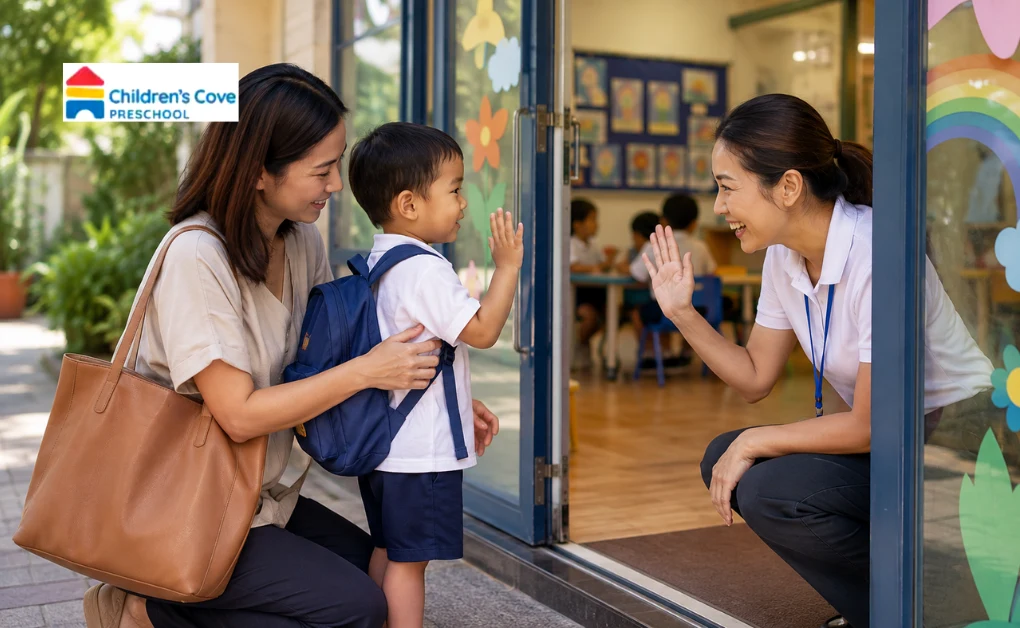
Big emotions, new environments, and separation anxiety can wear a child down just as much as a poor diet can. Supporting your child’s emotional development through a calm bedtime routine, some one-on-one time, and patience during tough drop-offs all help more than you’d expect.
7. Ease the Shift Between Hot and Cold
Singapore’s daily switch between outdoor heat and air-conditioned rooms can wear little bodies down too. We’ll cover this in more detail in the next section, but a light cardigan for school is an easy first step.
Local Foods That Boost Your Child’s Immune System Naturally
You don’t need imported “superfoods” to help your child eat well. Some of the best immune-supporting foods are already sitting at your local wet market or hawker stall.
Tropical Produce Kids Actually Like
Chye sim and kangkong, two greens found in almost every Singaporean kitchen, are both good sources of vitamins A, C, and K, all of which help the body fight off illness. Stir-fried with a little garlic or added to soup, these greens are usually an easy sell for kids.
Papaya is one of the easiest wins for fussy eaters, since it’s naturally sweet and soft. Papaya’s vitamins A, C, and E, along with a natural enzyme called papain, help calm inflammation and support the immune system. Cut into small cubes, it makes an easy snack, though no single fruit can stop your child from ever getting sick. Variety across meals matters more than any one food.
Traditional Comfort Soups (A Cultural Favourite, Not a Cure)
Many Singaporean families lean on soups like barley water or herbal chicken soup when a child seems to be coming down with something. These dishes are a comforting part of local food culture, and warm, hydrating soups are genuinely soothing when a child has a sore throat or mild fever. That said, they work best alongside good food, sleep, and rest, not as a replacement for seeing a doctor when your child is truly unwell.
Gut-Friendly Picks: Low-Sugar Cultured Drinks and Yogurt
The gut plays a bigger role in immunity than most people realise. Low-sugar cultured milk drinks and plain yoghurt are easy, everyday ways to support that balance. When shopping, look for the Healthier Choice Symbol on the label, an easy way to spot options that don’t quietly pack in more sugar than parents expect.
The Bubble Tea and Packet Drink Trap
Sugary packet drinks and bubble tea are everywhere in Singapore, and kids notice them fast. The problem isn’t an occasional treat, it’s when sugary drinks quietly replace water as the everyday choice. Plain water, or the occasional fresh fruit-infused water, is a better daily habit, especially in Singapore’s heat, when kids need to stay properly hydrated anyway.
Managing Singapore’s Air-Con vs. Outdoor Heat for Kids
Anyone raising a child in Singapore knows the drill: sweaty walk to the car, then a blast of cold air the moment you step into the mall, clinic, or classroom. It happens dozens of times a week, and for a small child, that back-and-forth is a bigger adjustment than it seems.
Why the Temperature Shock Matters
Think about how your own body reacts to walking out of a freezing cinema into Singapore’s heat, it’s uncomfortable for you as an adult, and your child feels it too, just with a body that’s still learning to regulate itself. A sudden drop in temperature of more than 5°C can put some strain on a child’s airways, sometimes leading to coughing or a tight feeling in the chest. This lines up with something a lot of parents notice already: their child seems to catch a cough right after a day of running between hot playgrounds and cold classrooms.
Practical Ways to Ease the Shift
A few small adjustments can make this easier on your child’s body:
- Pack a light cardigan or jacket for school, so they can layer up in cold classrooms and take it off outdoors.
- Keep home air-con between 24°C and 25°C rather than turning it down as low as it goes. It’s a smaller gap for their body to adjust to, and it’s kinder to your electricity bill too.
- Use a humidifier if the air feels very dry, especially in bedrooms where the air-con runs overnight. Dry air can make throats and noses feel more irritated.
- Give them a few minutes to adjust when moving between hot and cold spaces, rather than rushing straight from one extreme to the other.
None of these habits guarantees your child won’t catch a cold, but they do take some of the daily strain off a body that’s already adjusting to a lot.
Sleep and the “Kiasu Schedule” Problem in Singapore
Between school, tuition, and enrichment classes, many Singaporean kids have packed schedules from a young age, sometimes even before they start Primary 1. Somewhere in that schedule, sleep is often the first thing to get squeezed.
How Tuition and Enrichment Classes Eat Into Sleep Time
Extra classes are common here, and it’s not unusual for even preschoolers to have one or two a week on top of a full school day. When these get added to an already busy schedule, bedtime often gets pushed later to fit everything in.
A large number of children in Singapore aren’t getting enough sleep for their age, and preschoolers are no exception. A late bedtime here and there might not seem like a big deal, but when it becomes the pattern, the effects add up.
Why Sleep Matters for a Growing Immune System
We touched on this earlier: preschoolers need 10 to 13 hours of sleep a day, and most Singapore preschoolers fall short of that. Beyond the immune benefits we already covered, not getting enough sleep can also affect a child’s mood, focus, and energy for the next day’s activities, tuition included.
Building a Cool, Dark, Device-Free Sleep Routine
You don’t need to overhaul your child’s schedule overnight. A few small changes, including how you manage screen time for children, can help:
- Set a consistent bedtime, even on weekends, so your child’s body clock stays steady.
- Keep the room cool and dark, since Singapore’s warm nights can make it harder to fall and stay asleep.
- Switch off screens at least 30 minutes before bed. The light from phones and tablets can make it harder for the brain to wind down.
- Leave a buffer between the last activity of the day and bedtime, so your child isn’t going straight from tuition or enrichment class into bed.
If tuition and enrichment classes are non-negotiable for your family, protecting the hours right before bed is one of the easiest ways to make sure sleep doesn’t lose out.
Getting Your Toddler Outdoors Safely in Singapore
Singapore may be a concrete jungle in some ways, but it’s also full of green spaces, if you know where to look. Getting your child outdoors regularly is one of the simplest, lowest-cost ways to support their health, as long as you go about it the right way.
Using Park Connectors, ActiveSG Facilities, and Playgrounds
You don’t need to plan a big outing every weekend. A short walk along a park connector, an evening at a neighbourhood playground, or a weekend session at an ActiveSG facility all count as fun weekend activities for kids. What matters more is consistency, a bit of outdoor time most days, rather than one long outing once in a while.
Morning Sun for Vitamin D, Without the Sunburn
Research has linked low vitamin D levels in children to a higher chance of respiratory infections, which makes regular, gentle sun exposure worth building into your child’s week. The trick is timing it right. Early morning or late afternoon sun is gentler than the midday sun, when Singapore’s UV levels are at their highest, so aim for outdoor play during those cooler windows rather than in the middle of the day.
Choosing a Child-Safe Mosquito Repellent
Dengue is a real concern here, so a good repellent matters just as much as timing your sun exposure right. A lot of parents assume DEET should be avoided for kids, but it’s actually one of the most effective ingredients for keeping mosquitoes away, even for young children. Look for a low-concentration DEET product, generally under 10% for younger children, or ask your pharmacist about a Picaridin or IR3535-based alternative if you’d rather skip DEET entirely. Apply it to exposed skin only, avoid the hands and face where possible, and wash it off once you’re back indoors.
Hygiene Habits That Actually Boost Immunity
Good hygiene doesn’t need to be complicated for a young child to pick up. The habits that matter most are the simplest ones, done consistently, not a long list of rules.
Handwashing Before Meals, After MRT Rides, After Indoor Playgrounds
Handwashing is still one of the most effective tools we have against common childhood illnesses. Studies have found that promoting good hand hygiene can cut the risk of diarrheal disease in young children by around 30%. The key moments to build into your child’s routine are before eating, after using the toilet, after playing at an indoor playground, and after a ride on the MRT, since handrails and grab poles get touched by hundreds of hands a day.
Sanitising Without Overdoing It
Hand sanitiser is a handy backup for when soap and water aren’t available, but it shouldn’t replace proper handwashing as the main habit. Teach your child that sanitiser is the “in-between” option, useful after touching a shopping trolley or playground railing, while soap and water is still the gold standard whenever it’s around.
Keeping Up With NCIS and Considering the Annual Flu Jab
Singapore’s National Childhood Immunisation Schedule outlines the vaccinations recommended for children, protecting them against diseases that could otherwise lead to serious complications. From 18 months onward, an annual flu jab is also recommended and fully subsidised for young Singaporean citizens. Staying on schedule and keeping your child’s vaccination records updated via HealthHub is one of the easiest ways to protect them from illnesses that hand hygiene alone can’t fully prevent.
When to See a Doctor for Your Child’s Immune Health
Most illnesses that come home from preschool are mild and pass on their own with rest, fluids, and a bit of TLC. But it helps to know which signs mean it’s time to stop waiting it out and get your child checked.
Warning Signs Parents Shouldn’t Ignore
Bring your child to the Children’s Emergency right away if their temperature goes above 41°C, or if they’re difficult to wake and don’t respond to you as usual. For babies 3 months and younger, any fever at all is a reason to see a doctor promptly. Beyond these, it’s worth calling a doctor if a fever lasts more than two to three days, keeps climbing despite medication, or comes with a rash, persistent vomiting, constant crying that can’t be settled, or your child simply not seeming like themselves.
Trust your instincts here. You know your child better than any guideline does, so if something feels off, it’s always okay to get it checked.
Trusted Clinics and Resources in Singapore
For non-urgent concerns, your regular GP, polyclinic, or paediatrician is the right first stop. If symptoms come on suddenly or seem serious, Singapore’s public hospitals all have children’s emergency departments equipped to handle urgent cases. Keeping a saved list of your nearest clinic and hospital, along with your child’s health booklet, on hand makes those worried moments a little less stressful to navigate.
Quick Recap: Your Child’s Immune System Checklist
Save this list for a quick reminder on busy days:
- Feed them well. Local greens like chye sim and kangkong, plus fruits like papaya, for everyday vitamins.
- Protect their sleep. Aim for 10 to 13 hours a night, with a consistent bedtime.
- Keep them moving. At least three hours of active play a day, indoors or out.
- Build simple hygiene habits. Regular handwashing, especially after being out and about.
- Stay on top of vaccinations. Keep to the NCIS schedule and consider the annual flu jab.
- Ease the hot-to-cold shift. Pack a cardigan, keep home air-con around 24 to 25°C.
- Watch their stress levels, not just their diet. Big feelings can wear a child down too.
- Choose a safe mosquito repellent for outdoor play, and time sun exposure for cooler parts of the day.
- Know the warning signs. Persistent high fever, difficulty waking, or your child not seeming like themselves means it’s time to see a doctor.
No single habit on this list does all the work. It’s the combination, done consistently, that makes the biggest difference.
Conclusion
If there’s one thing to take away from all of this, it’s that there’s no single trick that keeps a child from ever getting sick, and that’s okay. Every sniffle, every schoolyard bug, every unexpected day off preschool is your child’s immune system doing its job, learning a little more each time.
What actually helps is showing up for the small things, day after day. A plate of chye sim, an earlier bedtime, a five-minute handwash before dinner, none of it feels dramatic in the moment, but it adds up.
It’s the same thinking behind our Healthy Pre-School Accreditation and our Boundless Classrooms approach to outdoor play at Children’s Cove, small, consistent habits that support a child’s whole wellbeing, not just their immune system. Give it time, stay consistent, and remember that showing up for these habits, even imperfectly, is what actually builds a stronger, more resilient child.
FAQs
Is it normal for my child to fall sick every month at preschool?
Yes, more often than not. Toddlers and preschoolers can have as many as 8 to 12 colds or stomach bugs a year, especially in the first year or two of preschool. This is usually a sign your child’s immune system is learning to fight new germs, not a cause for worry. Check in with your doctor if illnesses seem unusually severe or your child isn’t growing normally.
Do immune-boosting supplements really help my child?
For most healthy kids, probably not much. Paediatricians generally agree there’s little evidence supplements make a real difference for healthy children, and everyday food works better. They’re worth discussing with your doctor for picky eaters or diagnosed deficiencies, but for most families, the daily habits already covered in this guide matter far more than what’s in a bottle.
How does the haze affect my child’s immune system?
Haze doesn’t directly weaken the immune system, but it does irritate the airways and can make kids more uncomfortable and prone to coughing, especially if they already have asthma or allergies. On hazy days, it’s best to limit outdoor play, keep windows closed, and switch to indoor activities.
How long does it take for a child’s immune system to fully develop?
Longer than most parents expect. A child’s immune system keeps maturing gradually through early childhood, and doesn’t reach adult-level strength until around age 7 or later. That’s part of why preschoolers get sick more often than older kids, their bodies are still building up a “library” of germs they’ve learned to fight.