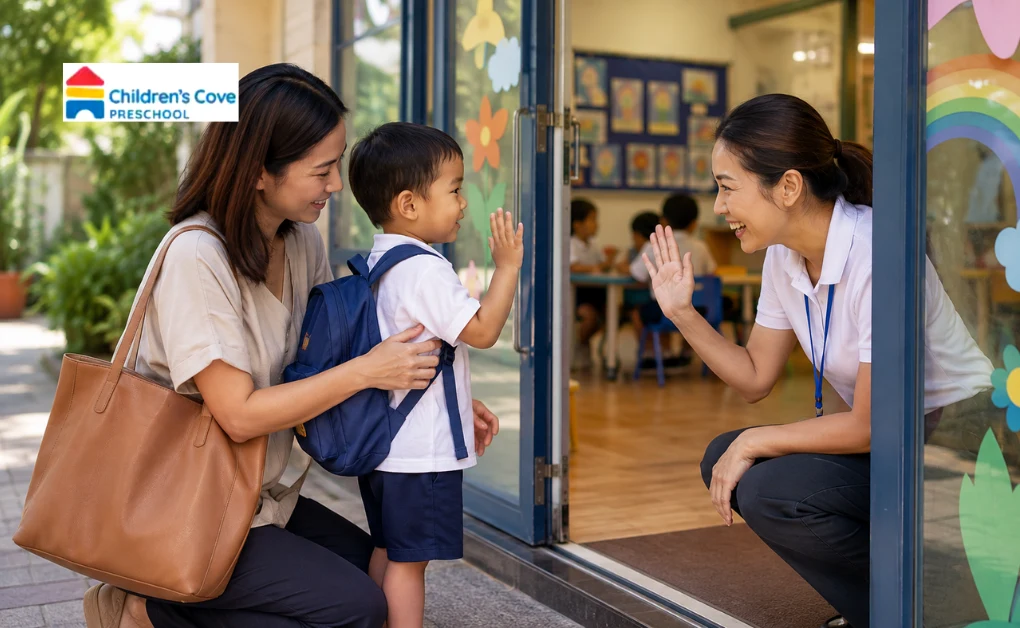
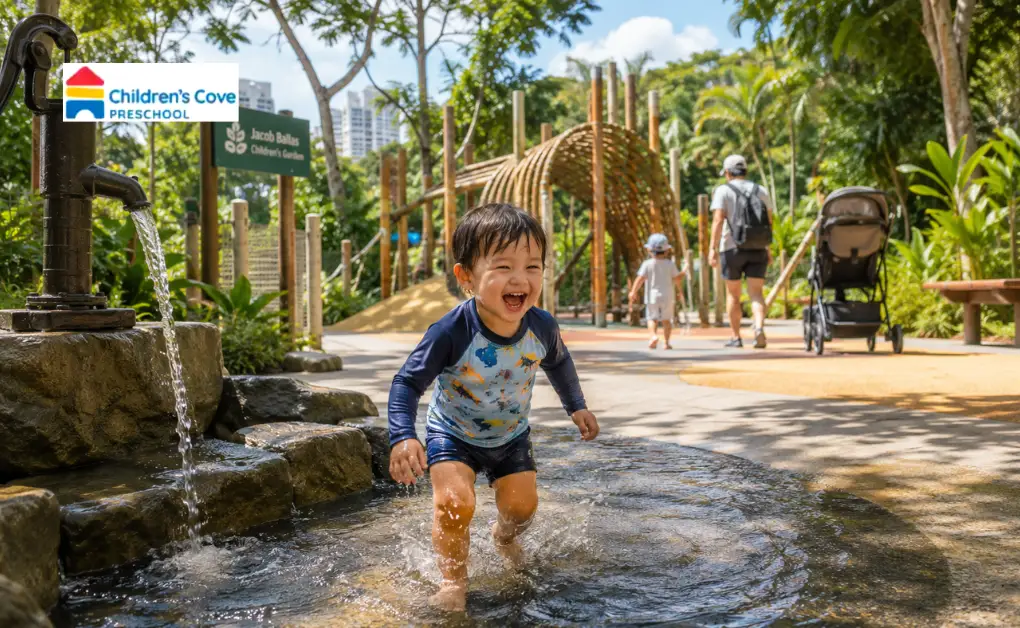
Preschool is more than just a place to learn; it’s a child’s first adventure beyond home. It’s where little hands paint their imaginations, tiny voices make new friends, and curious minds discover just how much they can do. Each day is filled with small triumphs: a first song sung together, a puzzle completed, or a shy smile shared with a new friend.
For parents, it’s a bittersweet milestone: the joy of watching your child grow, the excitement of seeing them explore new experiences, and the pride in every step they take toward independence. Preschool education lays the foundation for a lifetime of learning, curiosity, and confidence, shaping not just their skills, but who they are becoming.
Understanding Preschool: What It Really Means
Preschool is an early learning programme for children, typically between three and five years old. It bridges the gap between nursery and primary school, offering a gentle, playful introduction to education. Unlike daycare, which primarily focuses on care and supervision, preschool emphasises learning through fun and engaging activities. Children explore, play, and discover new skills through guided experiences rather than formal lessons, allowing them to grow at a natural, enjoyable pace.
Many parents are now seeking quality preschool education in Singapore programmes that balance creativity, play, and early academic skills.
Key Benefits of Preschool: Building a Strong Foundation for Your Child
Preschool is about far more than learning ABCs and numbers; it lays the groundwork for a child’s future growth, both academically and personally. Here’s how preschool learning supports development:
- Social and emotional growth: Children learn to share, take turns, and understand others’ feelings, laying the foundation for empathy and strong friendships.
- Early communication skills: Through conversations, stories, and songs, children gain confidence in expressing themselves and connecting with others.
- Cognitive development: Hands-on activities and simple problem-solving tasks spark curiosity, creativity, and flexible thinking. Many of the best preschool programmes now include early exposure to STEM education for preschoolers.
- Independence: Everyday routines, such as putting on shoes or tidying up, teach responsibility and self-reliance in small yet meaningful ways.
- A smooth start to school: Children who attend preschool often transition more easily to structured classroom settings, feeling confident and prepared for the next step in their learning journey.
What Children Learn in Preschool: Skills That Shape Their Future
Every day in preschool is packed with opportunities for children to explore, discover, and grow. Through playful, hands-on activities, children develop essential skills that will serve them for life:
- Early literacy: Stories, rhymes, and name-recognition games lay the foundation for reading and a love of language.
- Early numeracy: Counting games, sorting, and hands-on activities introduce simple number concepts and logical thinking.
- Creative play: Art, music, and imaginative play encourage self-expression, problem-solving, and creativity.
- Motor skills: Activities like cutting, painting, climbing, and building help develop coordination, strength, and control.
- Healthy routines: Children learn to follow instructions, manage time, and take care of their belongings, building independence and responsibility.
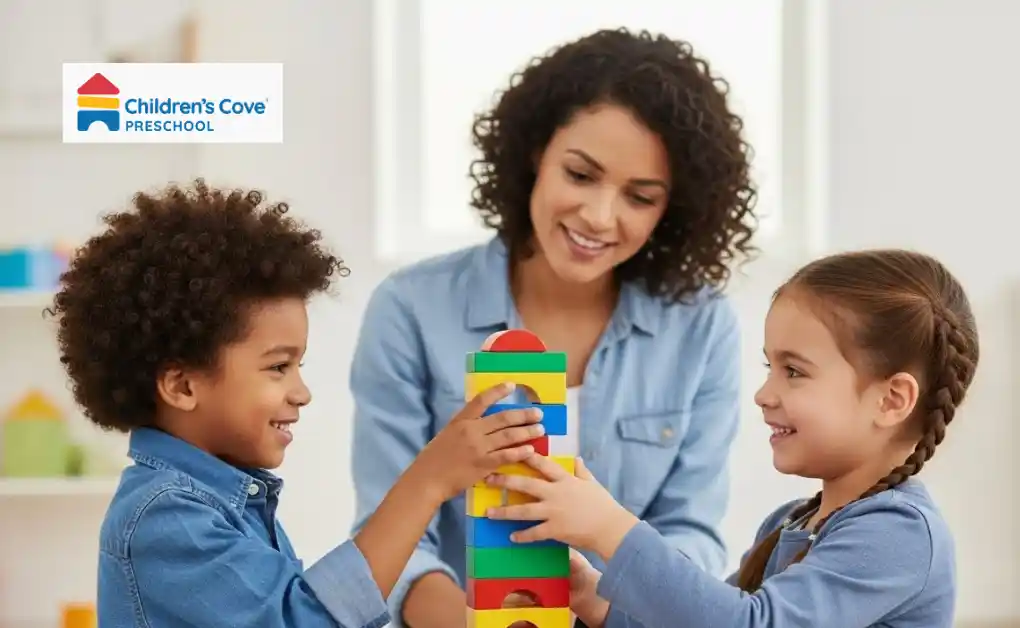
A thoughtfully designed preschool curriculum demonstrates that these activities are not only fun but also meaningful, giving children a strong start in lifelong learning.
Preschool Environment and Teaching Approach: Learning Through Play
A great preschool is warm, welcoming, and full of energy, yet feels safe and nurturing. Classrooms are designed for little explorers, with colourful learning corners, age-appropriate materials, and plenty of space to play and discover. Teachers guide activities with patience and care, encouraging children to try new things and learn at their own pace.
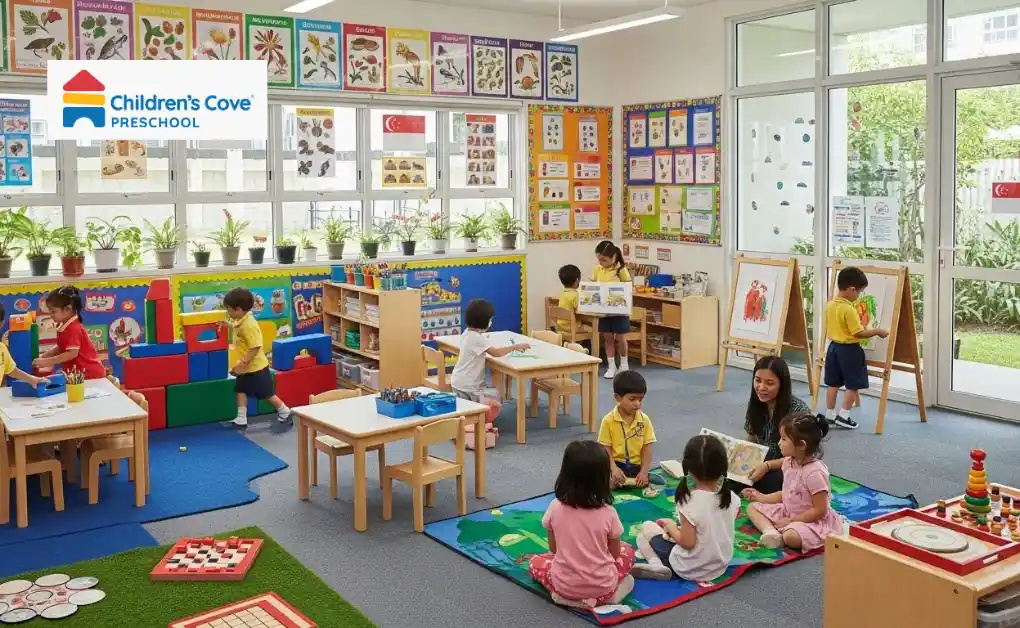
At the heart of modern preschool education is play-based learning. Through imaginative play, hands-on activities, and collaborative games, children develop skills naturally, without ever feeling like they’re being formally taught. Incorporating STEM education into preschools in Singapore is becoming more common, allowing children to explore problem-solving, curiosity, and creativity from an early age.
Types of Preschools: Finding the Right Fit for Your Child
Not all preschools are the same, and choosing the right one can make a big difference in your child’s early learning experience. Here are some common approaches to consider:
- Montessori: Focuses on hands-on learning and encourages children to explore at their own pace, fostering independence and self-confidence.
- Reggio Emilia: Centres on creativity, curiosity, and self-expression, allowing children to learn through projects and exploration.
- Play-based: Emphasises learning through games, stories, and imaginative play, helping children develop social, cognitive, and emotional skills naturally.
- Academic-leaning: Offers a more structured environment for families who want early school preparation while still incorporating play and creativity.
- Community or private options: Each setting offers its own facilities, teaching styles, and strengths, giving parents the flexibility to find a programme that suits their child’s personality and needs.
Parents in Singapore often look for the best preschools that offer a well-rounded curriculum and preschool learning opportunities.
How to Choose the Right Preschool for Your Child
Finding the right preschool can feel overwhelming, but a few simple signs can help you make the best choice for your little one. Knowing the typical preschool age in Singapore can guide parents on when to start and what to expect from programmes designed for different age groups.
- Warm and welcoming atmosphere: A preschool should feel friendly, inviting, and full of energy.
- Caring and qualified teachers: Look for staff who are patient, attentive, and genuinely passionate about early childhood learning.
- Safe, clean, and child-friendly classrooms: The environment should encourage exploration while keeping children secure.
- Play-based activities that promote growth: Learning through play helps children develop skills naturally and joyfully.
- Good teacher-to-child ratios: Smaller groups mean more individual attention and personalised guidance.
- Balanced and engaging curriculum: Activities should combine creativity, learning, and fun equally.
- Convenient location and schedule: Choose a preschool that fits smoothly into your family’s routine.
When visiting, pay attention to how teachers interact with children. Are the little ones happy, confident, and engaged? That is often the clearest sign of a preschool that truly supports growth and development.
Conclusion
Preschool is a child’s first step into a world of learning, offering a safe, playful, and nurturing environment where they can explore, make friends, and develop essential skills. Quality preschool education builds a strong foundation in social, emotional, and cognitive growth, encourages independence, and sparks a lifelong love of learning. By understanding what preschool is, the types available, and what to look for in a programme, parents can confidently choose the best preschool Singapore for their child, supporting curiosity, creativity, and confidence for a smooth transition into primary school.
FAQs
1. What is the difference between preschool and nursery?
Nursery mainly focuses on caring for children while parents are at work, whereas preschool emphasises early learning, helping children develop social, cognitive, and emotional skills through structured play and activities.
2. What is the best age to start preschool?
Most children start between three and five years old, depending on their readiness, personality, and local options.
3. Does preschool mean daycare?
Not exactly. While both provide care, preschool focuses on learning and development through play, whereas daycare primarily includes supervision.
4. What are the 4 stages of early childhood education?
Early childhood education is divided into four stages: infancy (0–1 year), toddlerhood (1–3 years), preschool (3–5 years), and early primary (5–8 years), each focusing on age-appropriate learning, social skills, and development.