Many parents want their preschoolers to develop number skills early, but teaching counting at home can feel overwhelming. Worksheets often fail to hold a child’s attention, and structured lessons can seem too formal for children who naturally learn through movement and play. Because of this, parents often look for simple, fun, and effective counting games for preschoolers.
Whether your child spends most of the day at home or is enrolled in a preschool in Singapore, numbers appear naturally during everyday activities. Toys, snacks, outdoor walks, and household tasks all offer chances to practise counting in playful, meaningful ways.
In local homes, where space can be limited and schedules are busy, it’s helpful to have activities that fit seamlessly into daily routines. This guide shares easy preschool counting games and playful experiences that help children build early math skills while keeping learning light and enjoyable.
Why Counting Skills Matter in Early Childhood
Counting is often a child’s first step into mathematics. Before children begin adding or subtracting, they need to understand how numbers relate to real objects and actions.
Strong early counting skills help children:
- Recognise patterns in numbers
- Improve attention and memory
- Develop problem-solving abilities
- Build confidence with numbers
- Prepare for future school learning
At the preschool stage, children absorb knowledge best through interaction with the world around them. Touching, moving, and exploring objects while counting makes numbers feel meaningful rather than abstract. When children engage with numbers in practical ways, learning is reinforced naturally.
Because young learners gain understanding through experience, simple counting activities for preschoolers are among the most effective ways to develop early numeracy skills. These can complement gross motor skills activities or sensory play for kids, which also support hands-on learning.
Easy Indoor Counting Games Parents Can Try Today
Indoor activities provide opportunities for children to practise counting in familiar surroundings. These fun counting activities for preschoolers are easy to set up and can be adapted to any home space.
1. Toy Count and Sort Game

Gather a group of toys such as blocks, cars, or dolls. Ask your child to touch each toy and count them aloud. Counting each item one by one helps children understand that numbers match real things.
Next, invite your child to sort the toys by colour, size, or type. For example, place all red blocks in one pile and all blue ones in another. Sorting encourages observation and pattern recognition and reinforces counting practice.
To extend the activity, ask questions such as:
- “Which group has more?”
- “Can we make both groups the same size?”
This keeps learning playful while naturally introducing concepts of comparison. You can also integrate open-ended preschool art activities to reinforce creativity alongside counting.
2. Snack Time Counting Fun

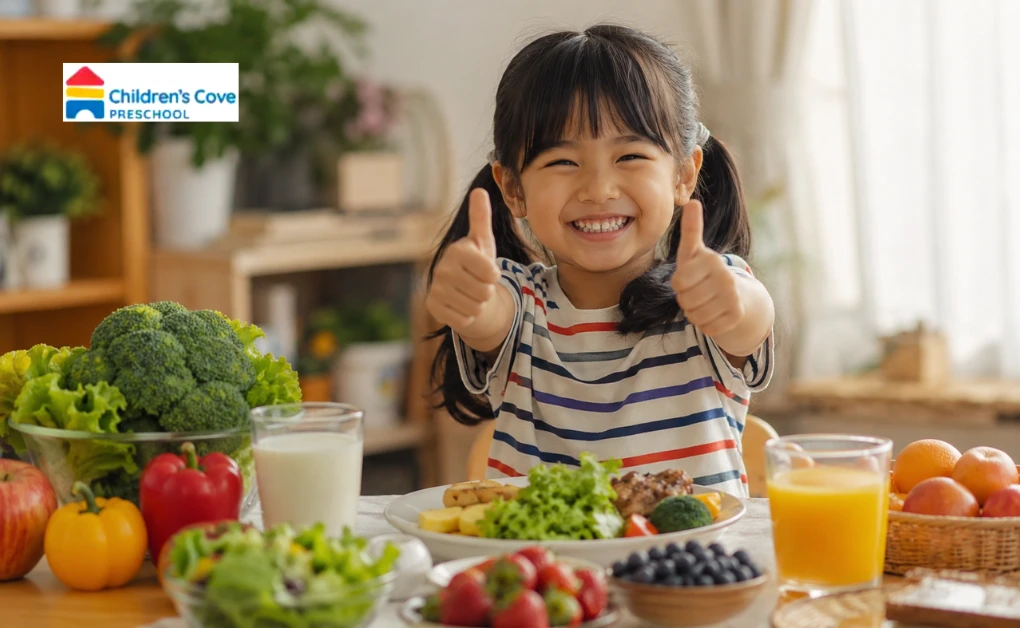
Snack time is a simple way to integrate numbers into everyday routines. Place small items like grapes, crackers, or cereal pieces on a plate and count them together before eating.
Use prompts like:
- “Let’s put five grapes here.”
- “Eat two. How many are left?”
When children see what happens as they count, they start to understand numbers better, making learning easier and more fun.
3. Number Hunt Around the House
Transform your home into a mini number adventure. Look for numbers on clocks, books, packaging, or appliances.
Encourage your child to:
- Find a number you call out
- Identify the highest number they see
- Match numbers with small objects nearby
This activity develops number recognition skills and keeps children observant, active, and curious about numbers in their environment.
4. Clap and Count Game

Movement is a powerful tool for early learning. Clap your hands while counting slowly together. Once your child becomes comfortable, try stomping feet, tapping a table, or jumping while counting.
Switching movements maintains engagement and reinforces number sequences through rhythm and repetition, combining fun with learning.
Outdoor Counting Games Perfect for Active Kids
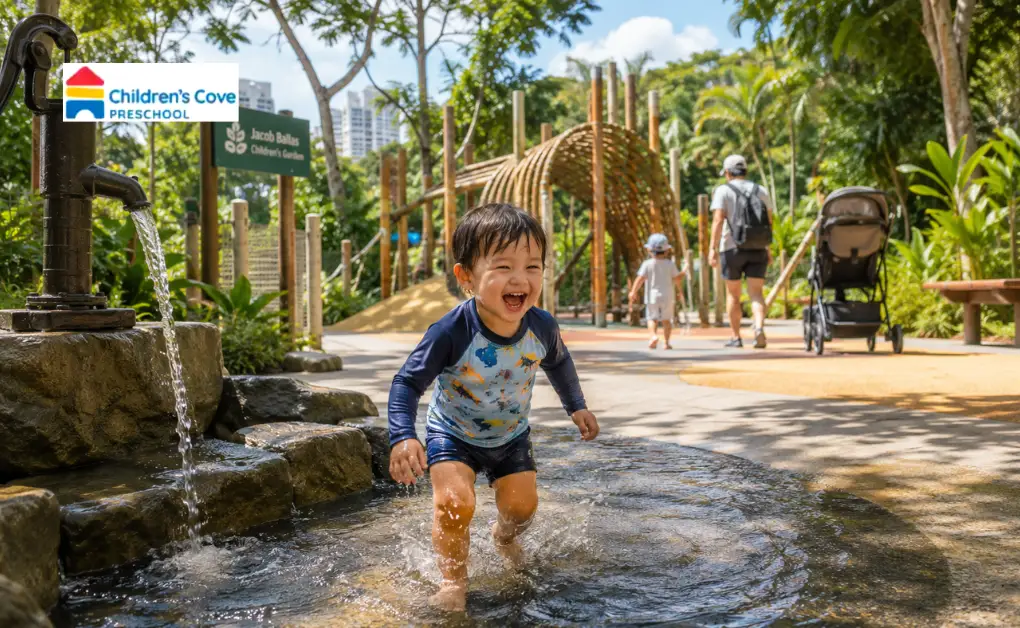
Outdoor spaces allow children to move freely while exploring numbers, making counting more dynamic and memorable. These complement weekend activities for kids that promote active learning.
1. Step Counting Walks

During walks around the neighbourhood or park, count steps together. You can also count hops, jumps, or stairs along the route.
Try playful challenges like:
- “Let’s take ten big steps.”
- “Can you jump five times?”
Linking movement with numbers helps children understand sequences while staying physically active.
2. Playground Number Challenges

Playgrounds naturally offer ways to practise counting. Count slides, swings, or climbing steps.
For example:
- Count each swing forward and back.
- Decide together how many times to slide.
Incorporating numbers into fun activities keeps children engaged in counting without making it feel like a lesson.
3. Nature Counting Adventure
The outdoors is full of opportunities to count. Encourage children to collect leaves, stones, or flowers and tally them together.
You can compare collections by asking:
- Which pile is bigger?
- Which has fewer items?
This activity strengthens early math concepts while encouraging observation and curiosity about the natural environment.
DIY Counting Games Using Everyday Household Items
You don’t need expensive tools for learning. Many household items can be turned into effective counting resources.
1. Bottle Cap Counting
Write numbers on small containers. Ask your child to match the number of bottle caps with each container. This reinforces one-to-one counting and number understanding.
2. Paper Cup Stacking

Label cups with numbers and ask your child to stack them in the correct order or build towers corresponding to a number you call out. This adds a hands-on, playful element while reinforcing sequencing.
3. Homemade Number Cards
Create simple cards using paper or cardboard. Children can arrange the cards in order or match them with objects around the house. These are simple math games for preschoolers that can be repeated often.
4. Recycled Material Games
Use empty boxes or containers as targets for small objects. Ask your child to toss buttons or beads while counting each throw aloud. This combines hand-eye coordination with numeracy practice.
These hands-on activities align with STEM education concepts by combining problem-solving and numeracy skills.
Making Counting Part of Daily Life in Singapore Homes

Counting can happen throughout the day without special preparation.
- Grocery Shopping: Ask your child to count fruits or items as you place them in the basket.
- MRT or Bus Rides: Count stops, seats, or steps during travel.
- Cooking Together: Let children count spoons, ingredients, or pieces of food as you prepare meals.
- Tidying Up: Turn cleanup into a game by counting toys as they are returned to storage.
Everyday routines provide natural opportunities for learning that reinforce early numeracy skills in practical, meaningful ways.
Tips for Making Counting Games Work Better
A few habits help make counting games effective:
- Keep sessions short to match attention spans
- Speak clearly and count slowly
- Allow mistakes without correction pressure
- Repeat favourite games regularly
- Add small variations to keep activities fresh
- Focus on play rather than instruction
Children thrive when counting is enjoyable and integrated into daily experiences.
Conclusion
Counting skills grow naturally when children explore numbers through play, movement, and daily routines. Indoor games, outdoor activities, and household-based challenges all provide meaningful opportunities for early numeracy without requiring special preparation.
By adding small, consistent counting moments throughout the day, parents can help preschoolers build confidence with numbers while keeping learning engaging and practical. Over time, these playful experiences create a strong foundation that supports future math learning at school.
FAQs
How high should a preschooler be able to count?
Most children can count to 10 by the age of three to four, and many reach 20 or more by the age of five. What’s most important is that they understand what the numbers mean, not just saying them in order.
Why can my child count but not understand quantity?
Some children can say numbers in order without knowing how many things they represent. Using hands-on activities like counting toys, snacks, or blocks helps them connect numbers to real objects.
What is the difference between counting and number recognition?
Counting is saying numbers in order or counting objects one by one. Number recognition is seeing a written number and knowing how many it represents. Both skills are important and usually develop together.
How do I know if my child is just memorising numbers?
If your child can recite numbers but can’t count real objects correctly, they are likely memorising. Practising with toys, buttons, or snacks helps them understand the numbers and how they match actual amounts.
What early math skills develop alongside counting?
While learning to count, preschoolers also develop important early math skills. They learn to compare amounts to see which is more or less, recognise small quantities without counting every item, and understand that numbers stay the same even when objects are moved or rearranged.